Ukiyo Tarot Review
This page may contain affiliate links which may allow us to collect a commission when you click and make a purchase through the links on our site. There is no additional cost to you for doing so.
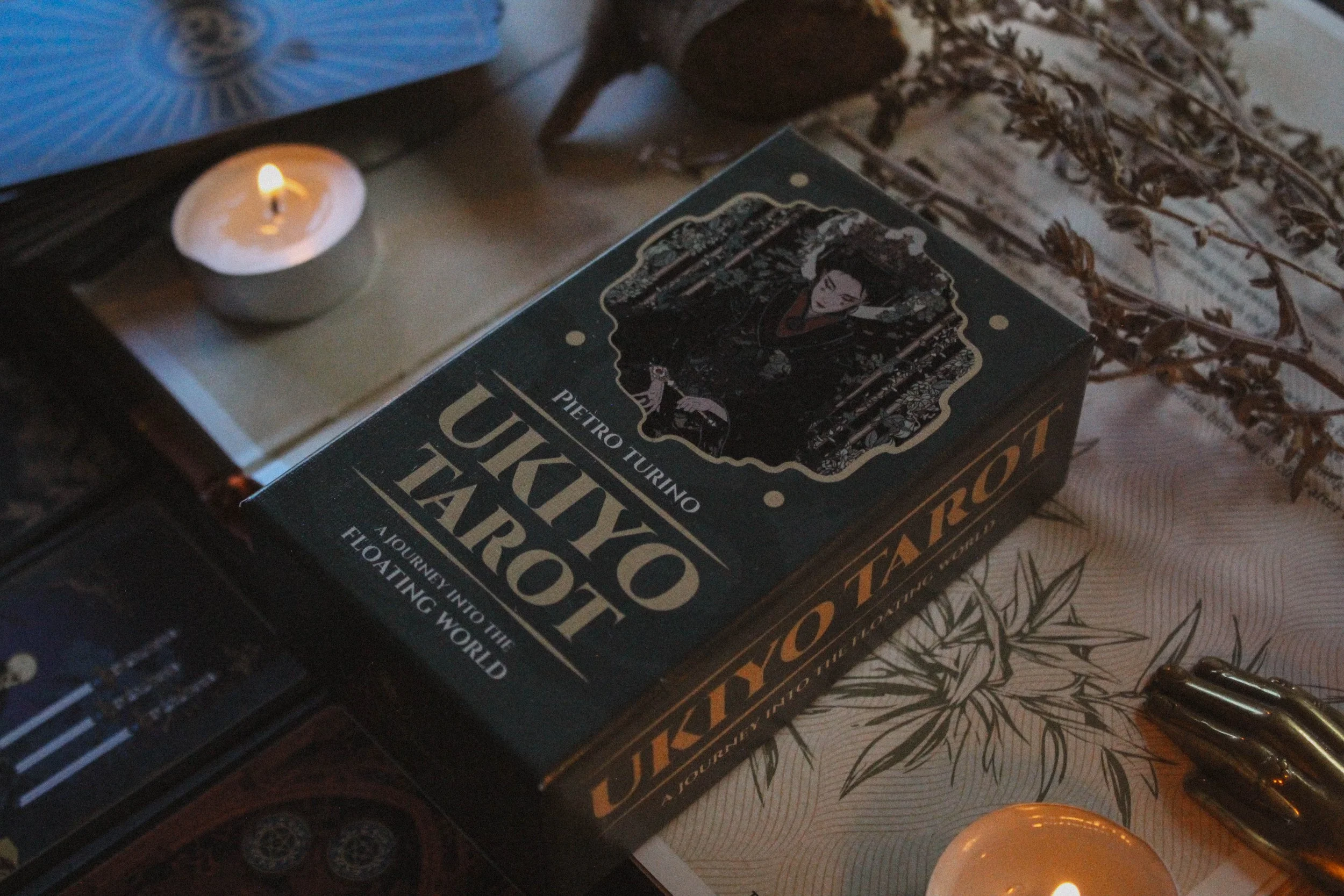
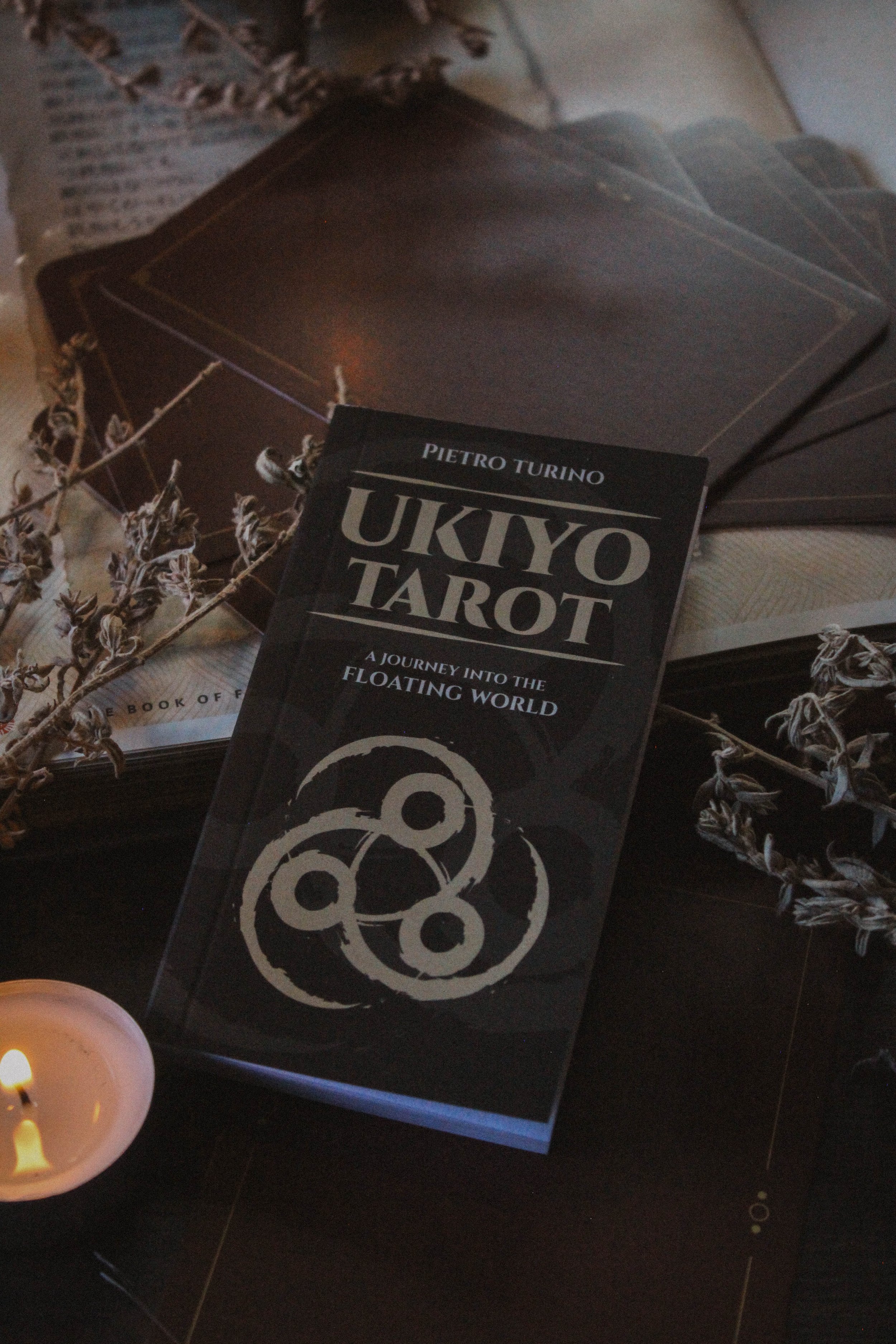
Title: Ukiyo Tarot
Creator: Pietro Turino
Publisher: Lo Scarabeo
Number of cards: 44
Card size: 4.75 x 2.50 in
Box size: 5 x 3 x 1.75 in approx
Guidebook pages: 126 (51 in english)
Purchased or gifted?: Review copy provided by Llewellyn Books
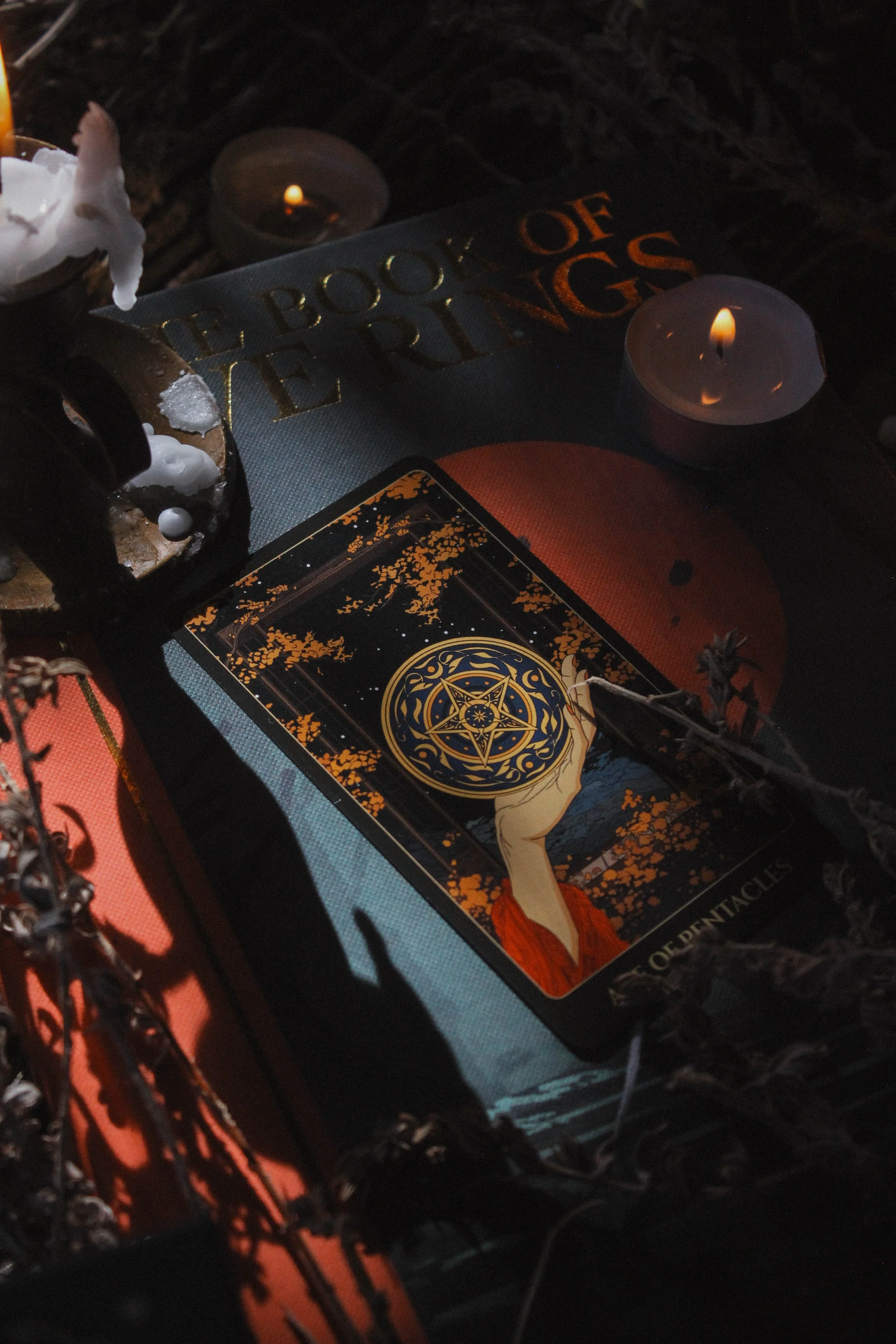
Absolute favorite card: Ace of Pentacles
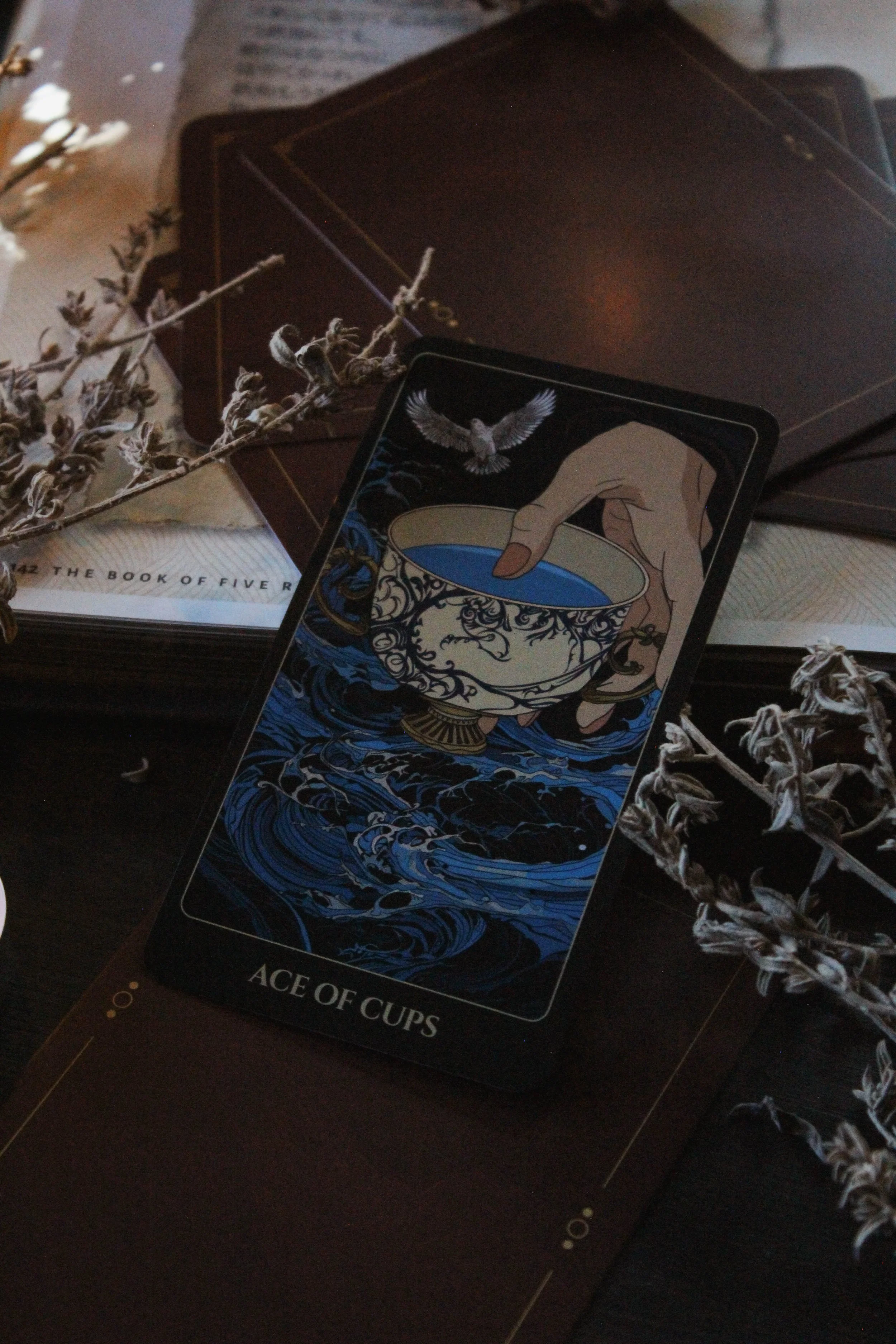
Other favorites: (in order from most beloved): The Hanged Man, The Lovers, Four of Swords, Seven of Cups, Three of Pentacles, Ace of Cups, The Wheel, Ten of Pentacles
Notable detail:
Season: Autumn
Sabbat: Mabon
Sign: Libra
Element: Air
Deck compliment: Yokai Oracle
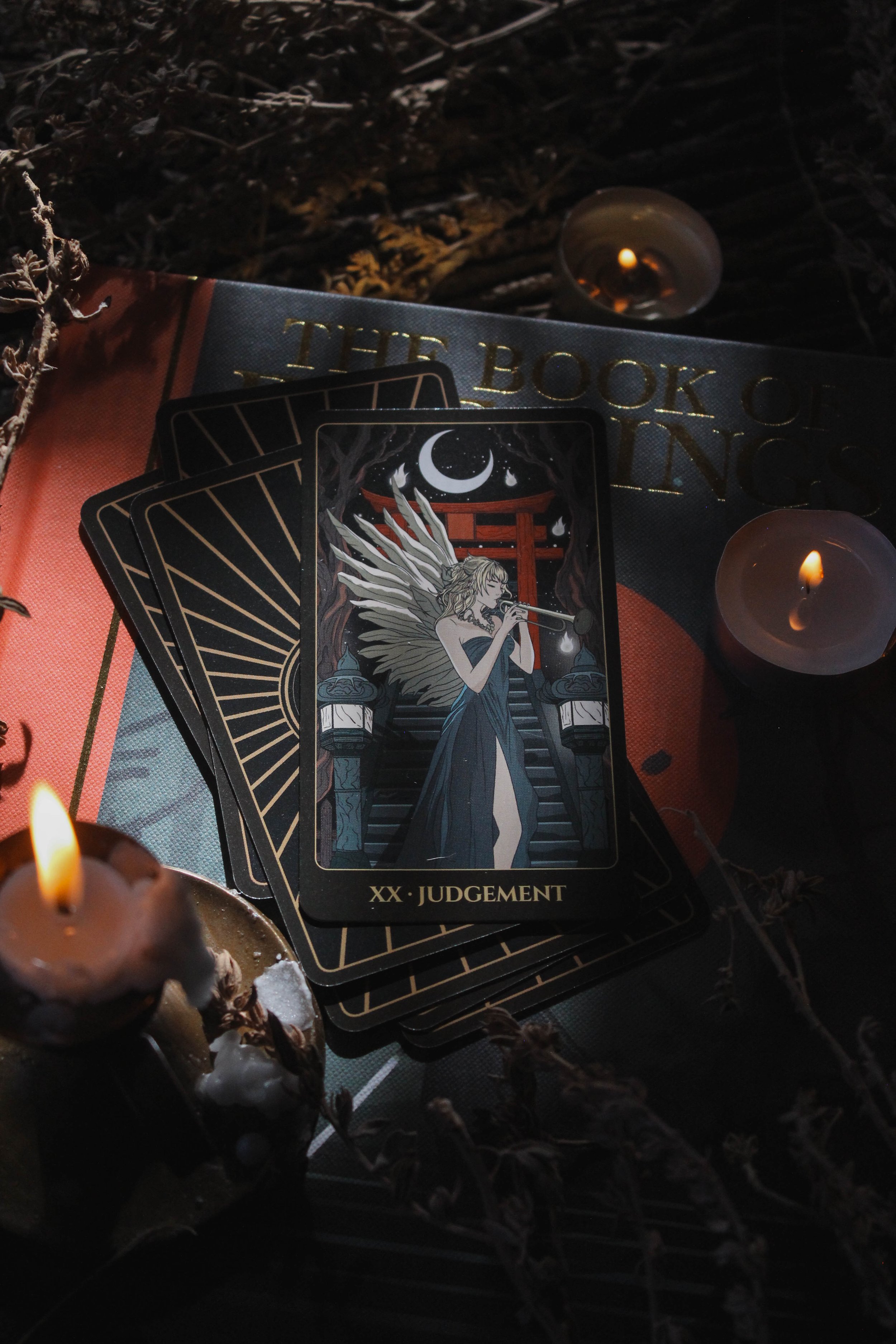
Collective Pull: Judgment
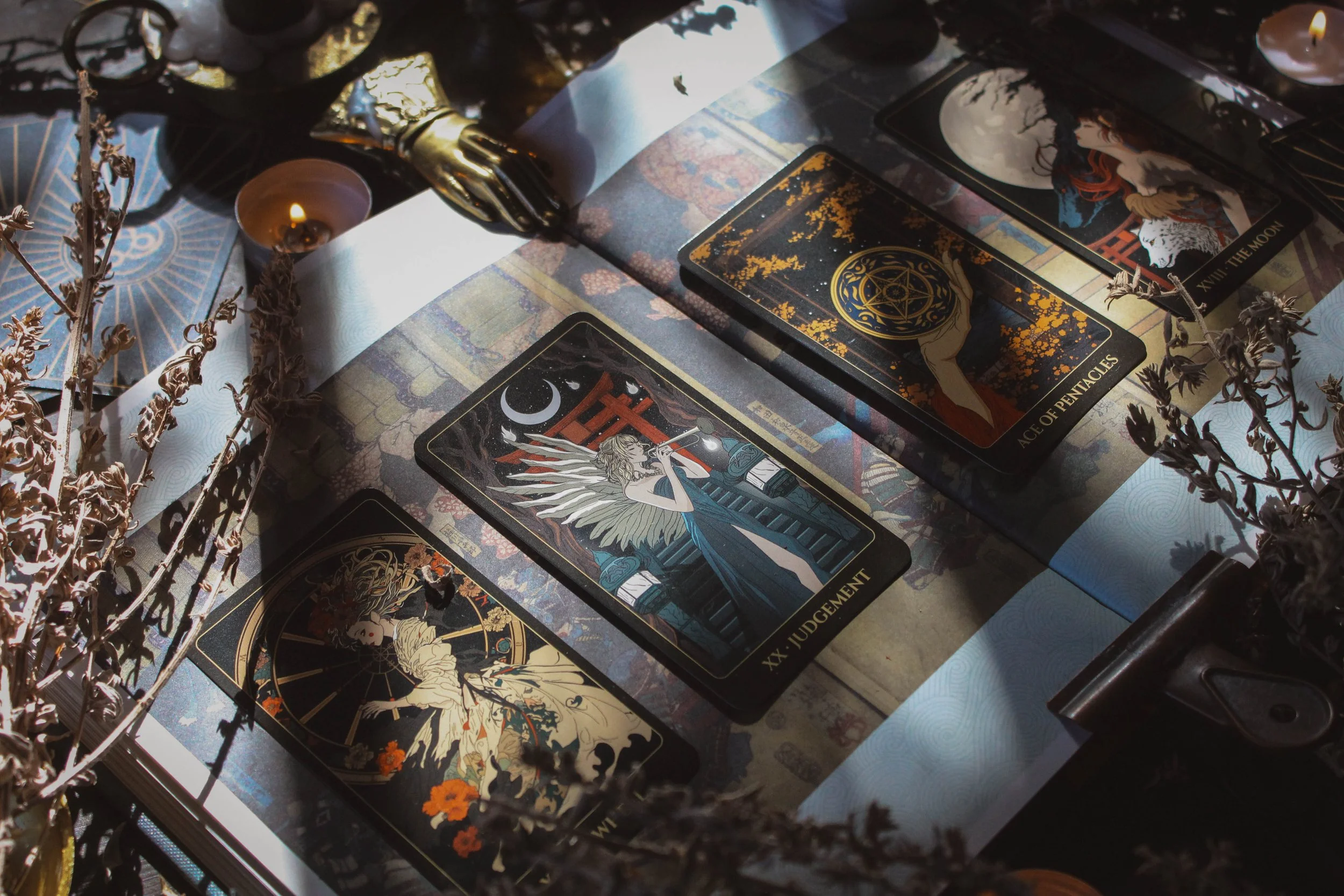
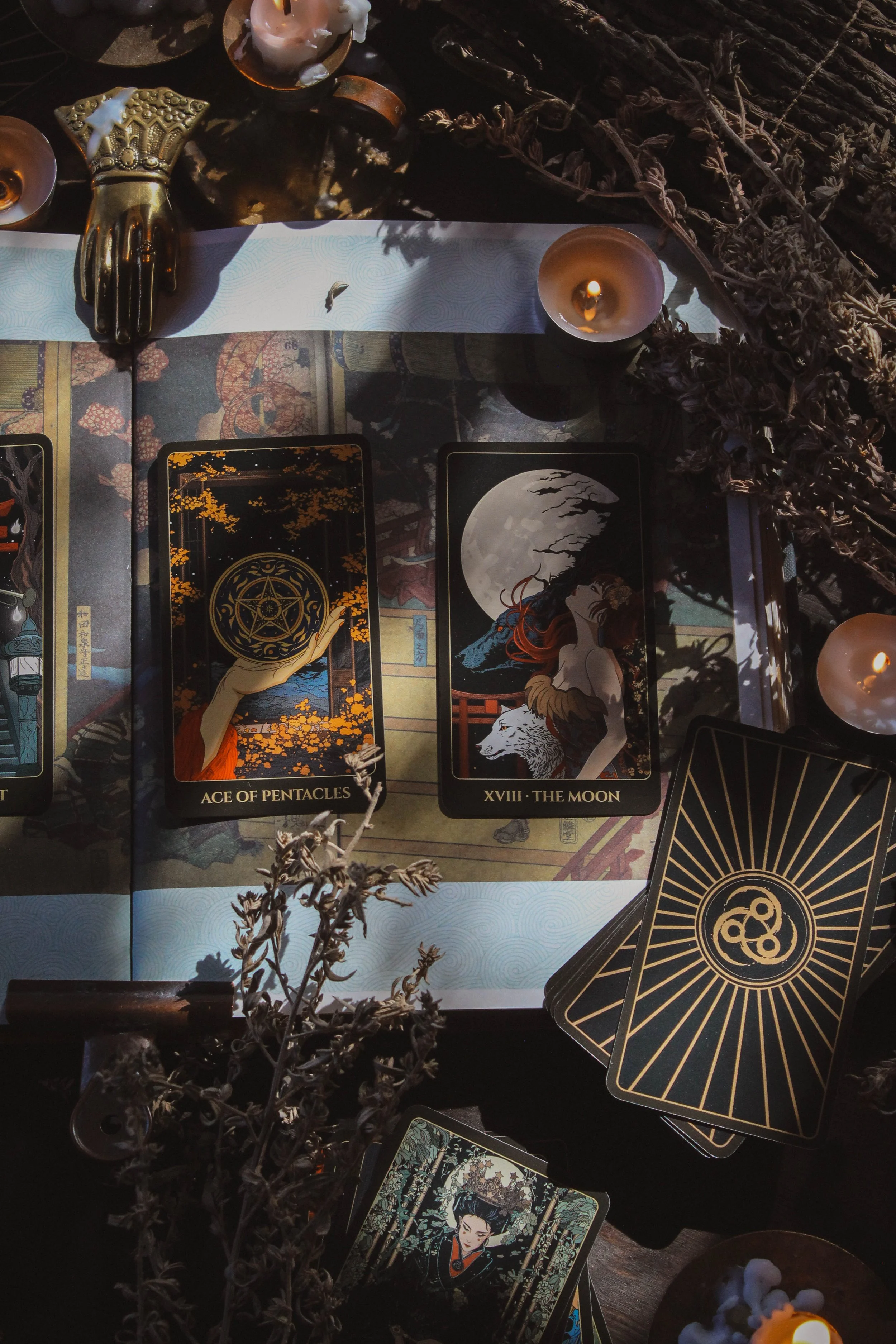
The Wheel, Judgment, Ace of Pentacles & The Moon
First Impressions
This is my very first Japanese style deck. I have Tarot of the Divine but it isn’t uniquely inspired by Japanese culture. There are so few truly cultural specific tarot and oracle decks although that’s changing. Several Japanese style decks came out just this year including the companion I chose to go along with Ukiyo Tarot.
I love Japanese culture. When I was a kid, we’d go out to eat every Friday. My dad worked almost constantly so this was the one time of the week we actually got to spend with him. When I was about ten, we were supposed to go to Red Lobster but the wait was hours long. But there was a Benihana (which originally began in Tokyo) next door so my mom suggested we go there. She had been there years before and thought my dad and I would like it. We went and I was introduced to sticky rice, green tea and green tea ice cream for the first time.
And I never looked back. In fact, my life long love of tea in all forms (black, white, green and herbal. All forms but Lipton!) stemmed from that moment. That very year, I asked for an authentic Asian rice cooker for christmas and I made rice for breakfast, lunch and dinner for three weeks until my mom said I had to eat something else. I also started making matcha which I still drink almost daily. From there, I became obsessed with Japan as a whole; watching documentaries, reading books, studying fashion and everything about it. And my palette for food is very much Japanese. Bitter, umami, salty, sweet and sour is basically what I eat 99% of the time.
So when I say I’m excited to really dig into a Japanese inspired deck, then you know that I mean it. So anyway, now that you’ve had a little detour down my memory lane, let’s dig into this deck, shall we?
The Packaging
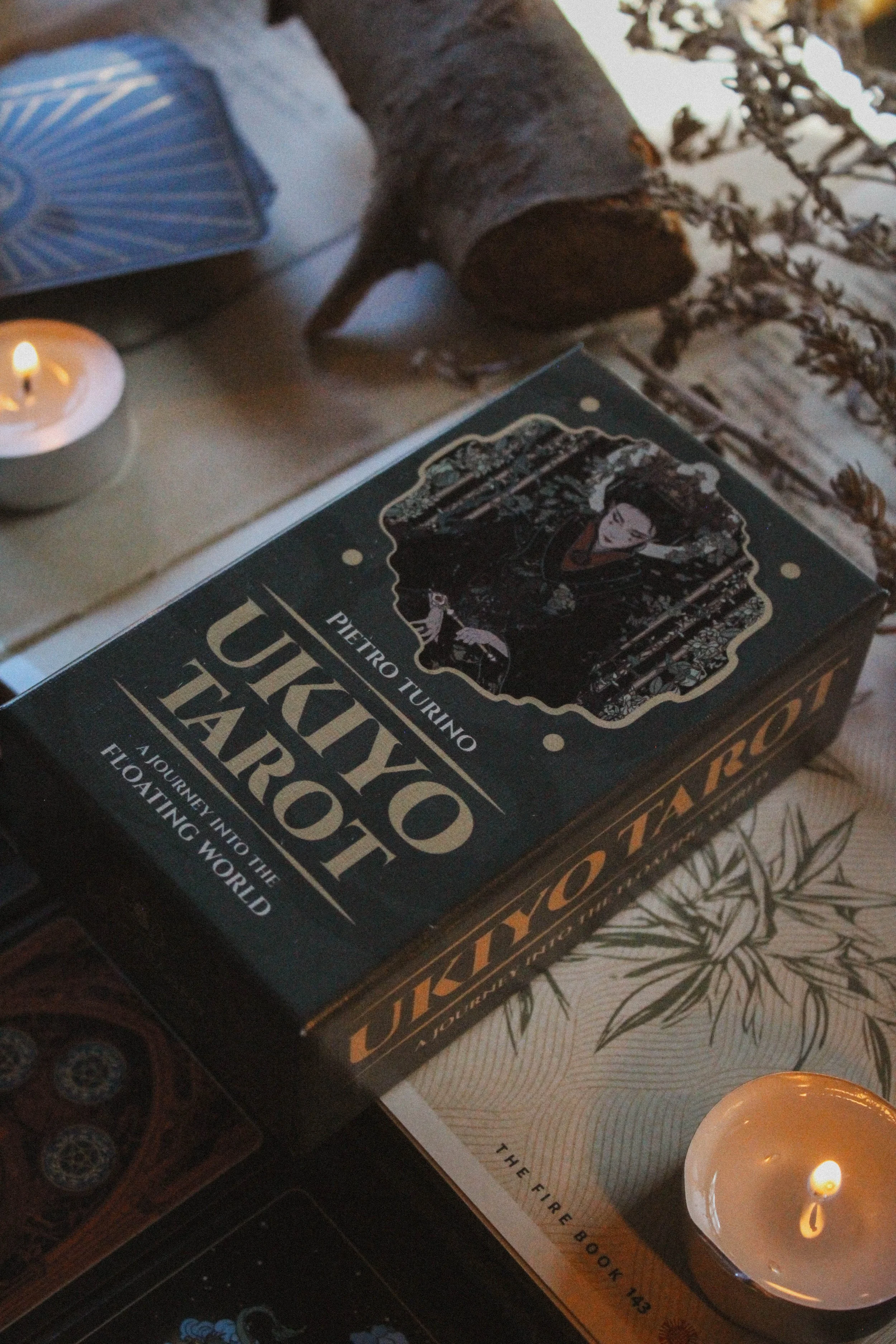
The packaging is quite simple and lacking pomp and circumstance. It’s a small, simple, two piece box with a linen texture. It’s also lacking thumb holes to make the box easier to open which is a shame. It’s a little clunky in that way. And in general, the packaging is underwhelming especially after reviewing Green Codex Tarot which is by the same publisher. That box had plenty of things going on. This one though, could’ve used some more love and attention.
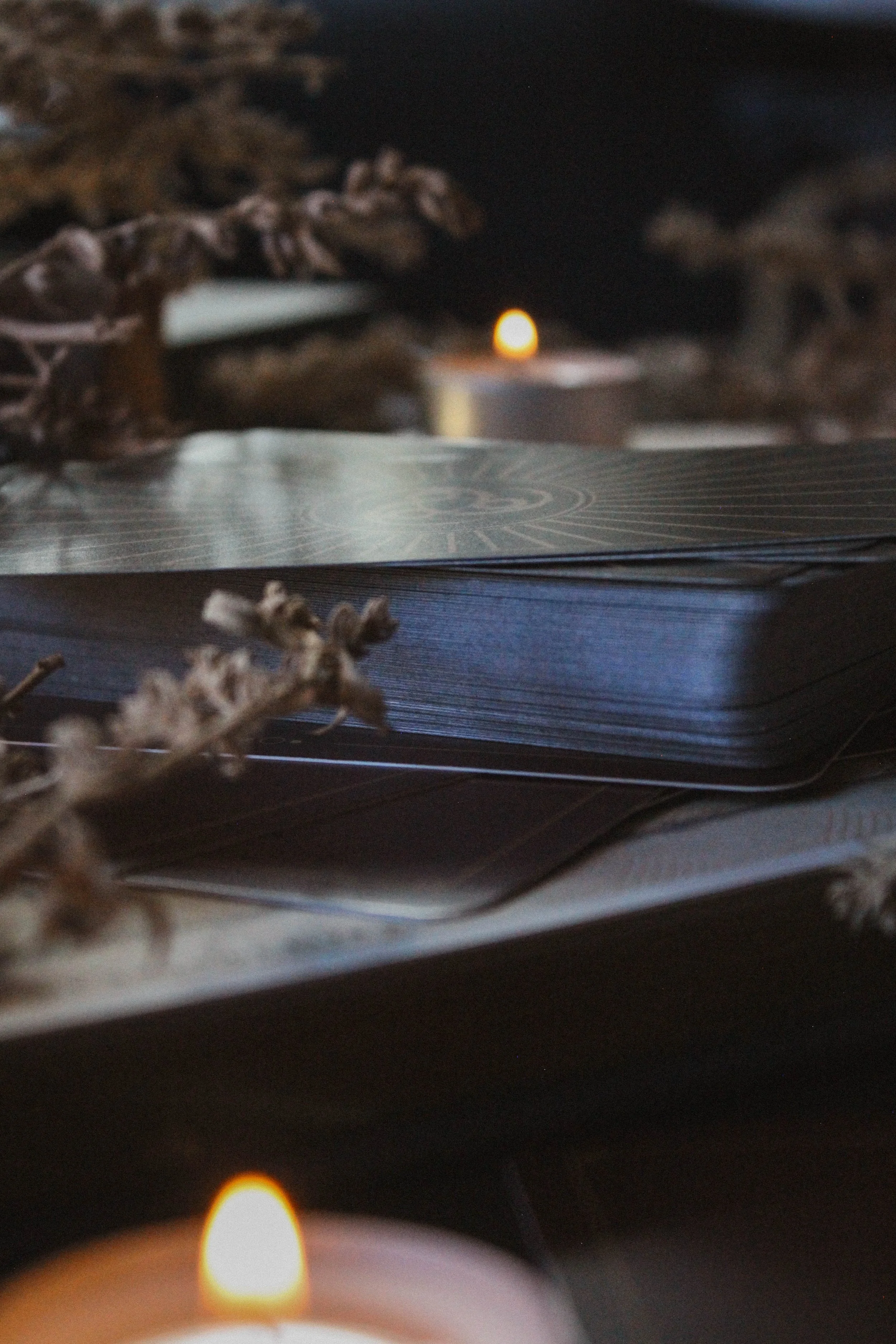
The cards are equally simple but with a nice matte print but no gilding for the sides. The cardstock itself is just a touch thin. I’ve already bent one or two but they are easy to shuffle and haven’t stuck together at all.
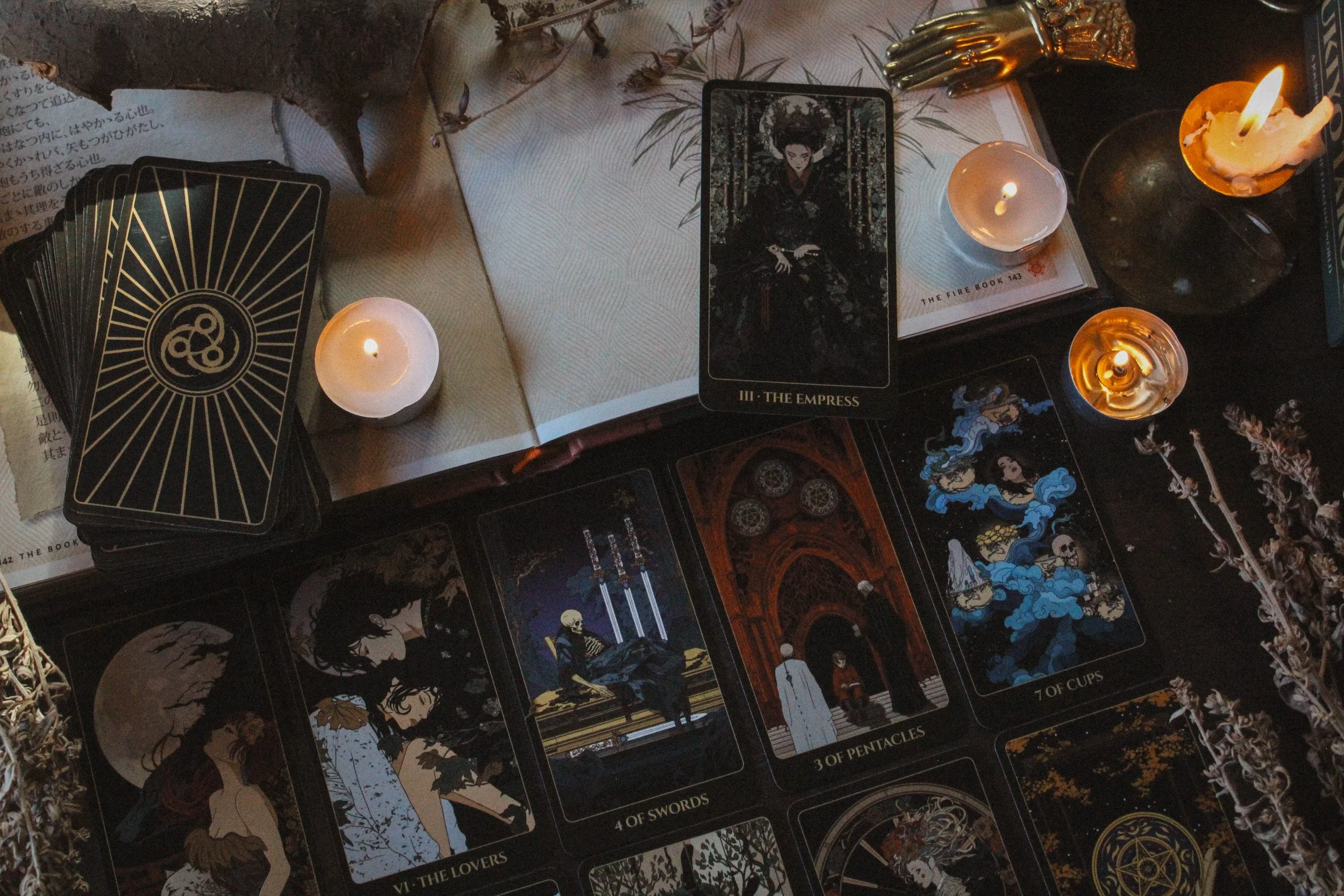
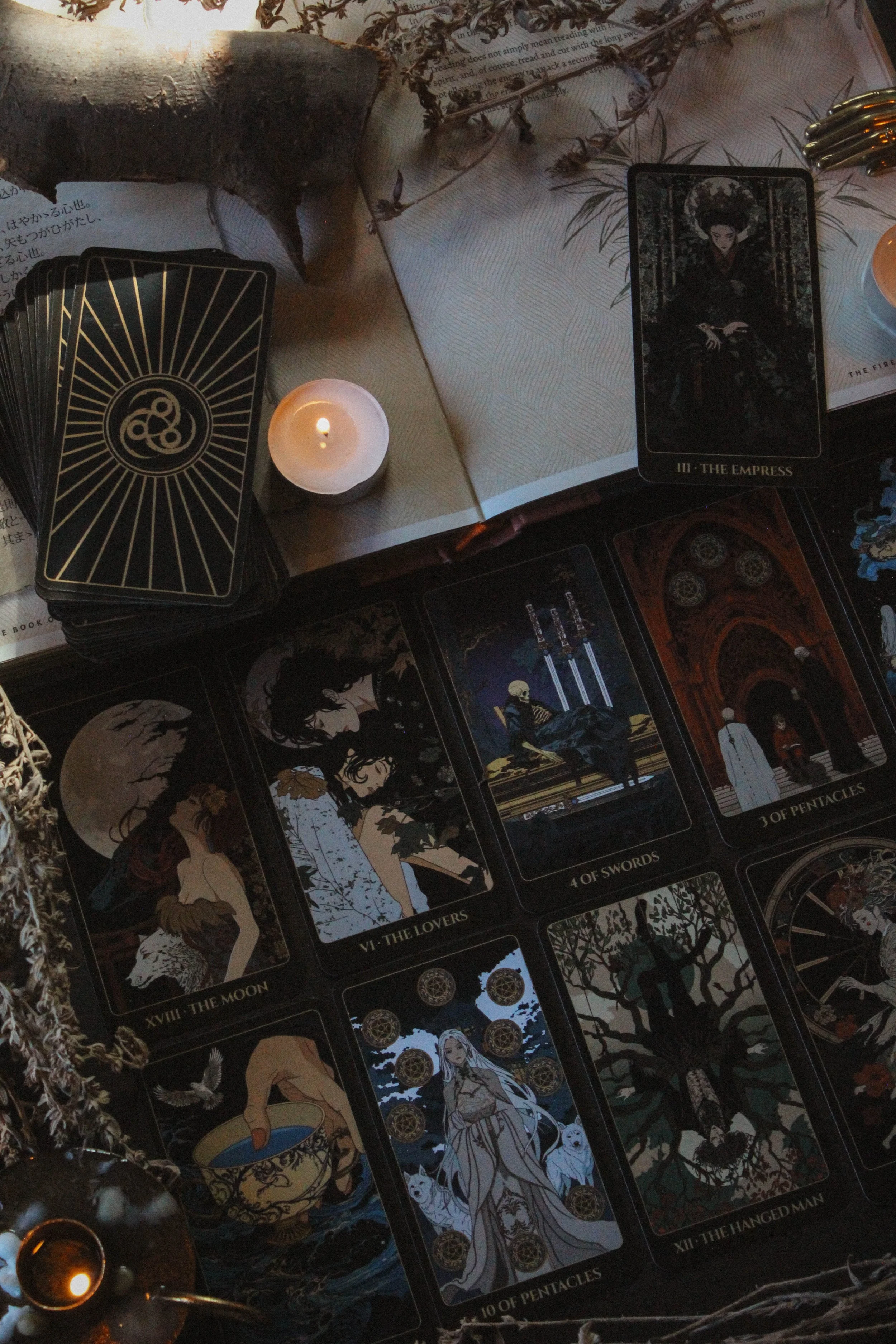
Some of my favorites
The Guidebook
The guidebook is likewise on the smaller side. It has 126 pages but only 51 are in English. The rest are in Italian, Spanish and Portuguese translations which if you speak these languages, is quite nice. It means you don’t have to wait on a translated copy to read with this in your native language. However, it does mean you get a lot less in the guidebook. What you do get is:
An Introduction
How to use the deck
Three spreads including how to do a one card draw
The card meanings
What I do love is the explanation of what Ukiyo means in the intro. I’ve been ranting a bit about this lately; about how creators just aren’t explaining what the name of the deck means. Sometimes it’s obvious which is fine but when you have something very specific, it helps to give the reader some context. You can’t just assume we know what you’re talking about or what your thought process is. I get leaving space for people to have their own experience but as a creator myself, I always have to remind myself that people are relying on me to learn and to understand. They come to creators because they need guidance; a little helping hand. So a few sentences about the meanings or theme or even just the name goes a long way.
The meanings in the book are minimal. You don’t get a lot but you do get a brief explanation of the artwork, the upright meaning and reversals. It’s important to note that the creator has said the roots of this deck are in Japanese culture but that it “expands beyond it” which I think is accurate. You don’t see any explanations about specific deities or practices or certain things. And actually, I’m not sure but I think the creator is Italian rather than Japanese. Having said that, it is very clearly Japanese inspired but I appreciate the note about how this isn’t entirely rooted in the culture.
Theme
The theme is quite cool. Ukiyo means “floating world” in Japanese and I’m paraphrasing from the guidebook but it represents a specific period in Japanese history called Edo (1603-1868). It’s meant to bring an artistic understanding to the fleeting nature of the human experience as well as exploring the pursuit of pleasure. The creator seems to be quite inspired by the term “Ukiyo” which you can see from their website.
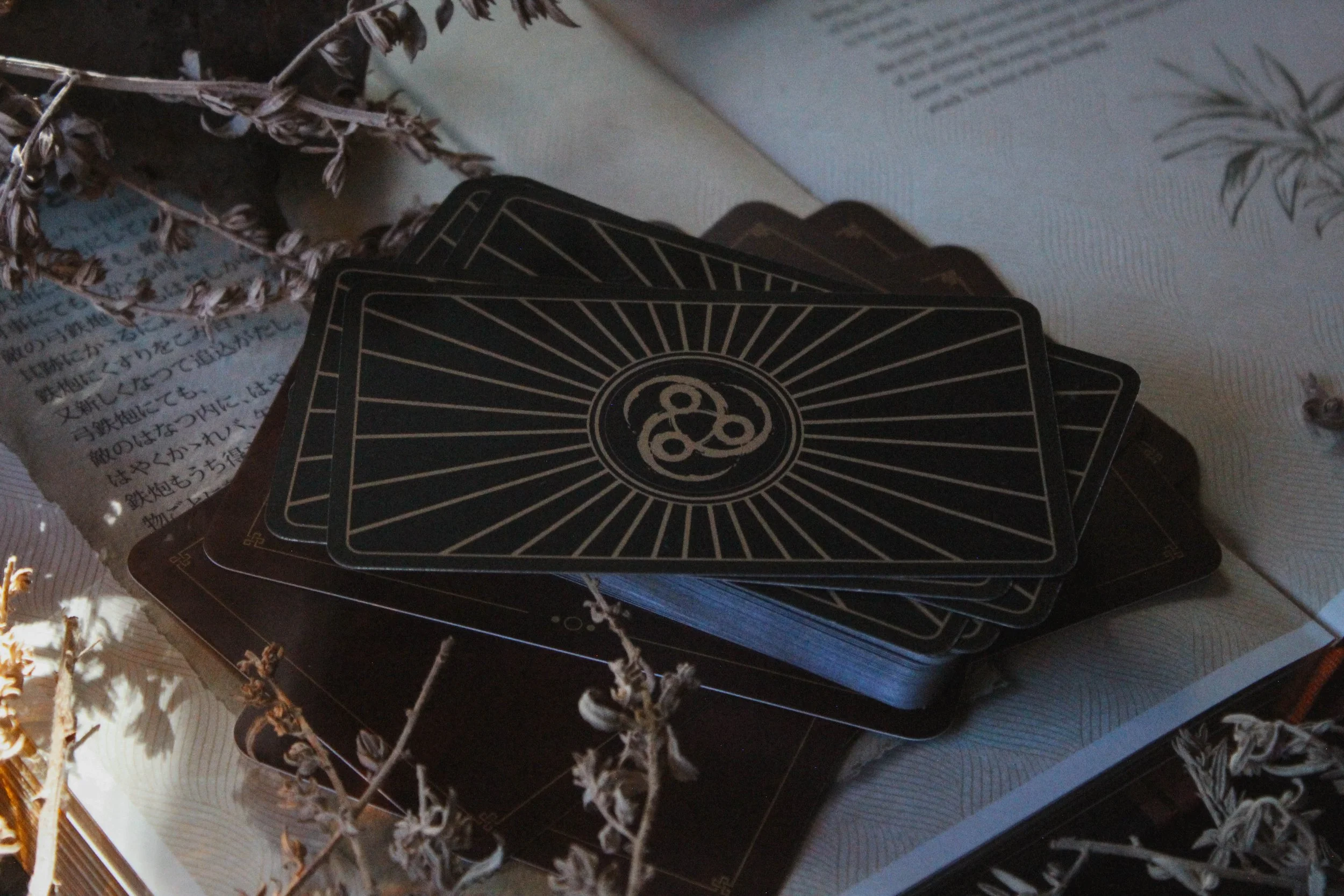
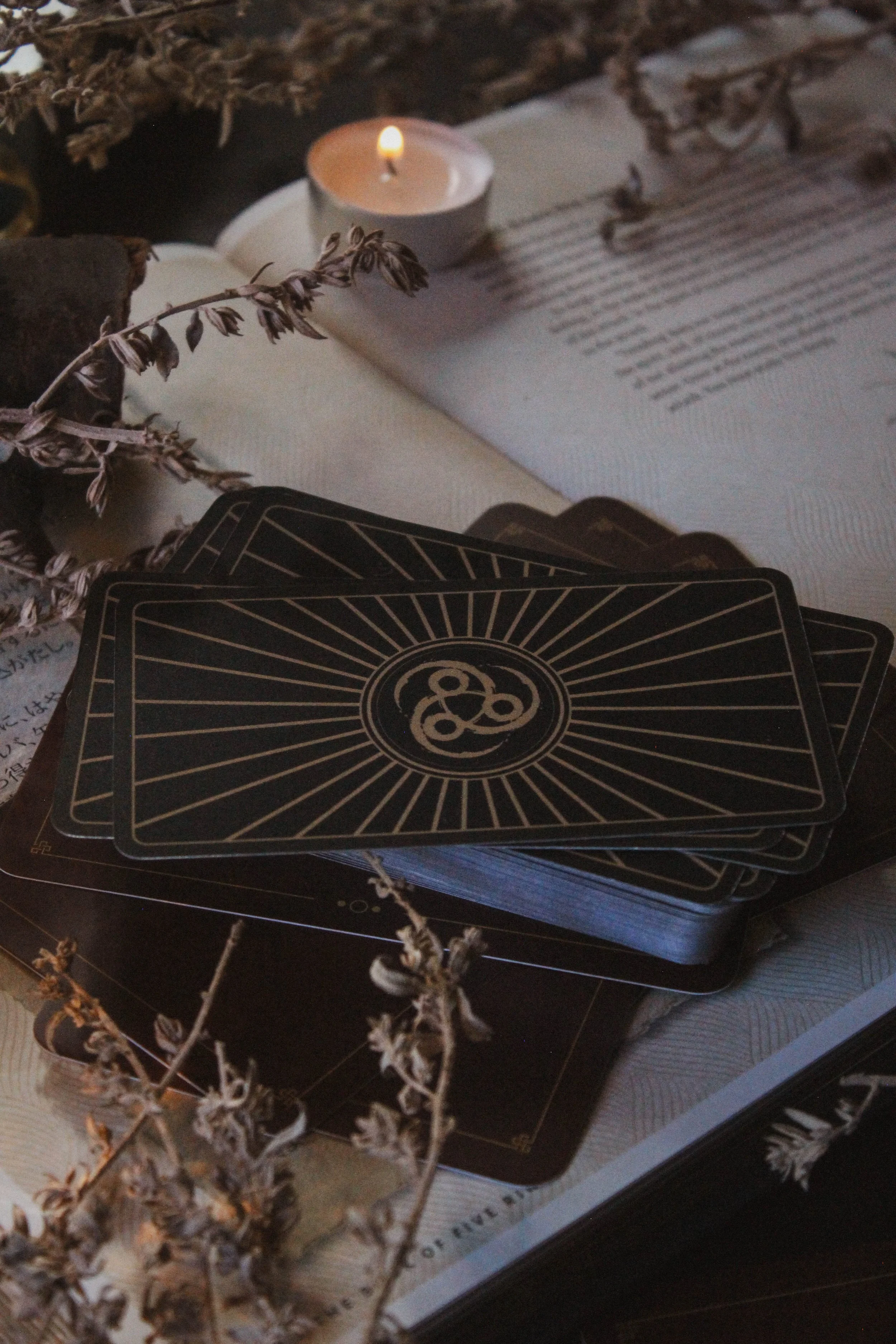
Card backs
The Artwork
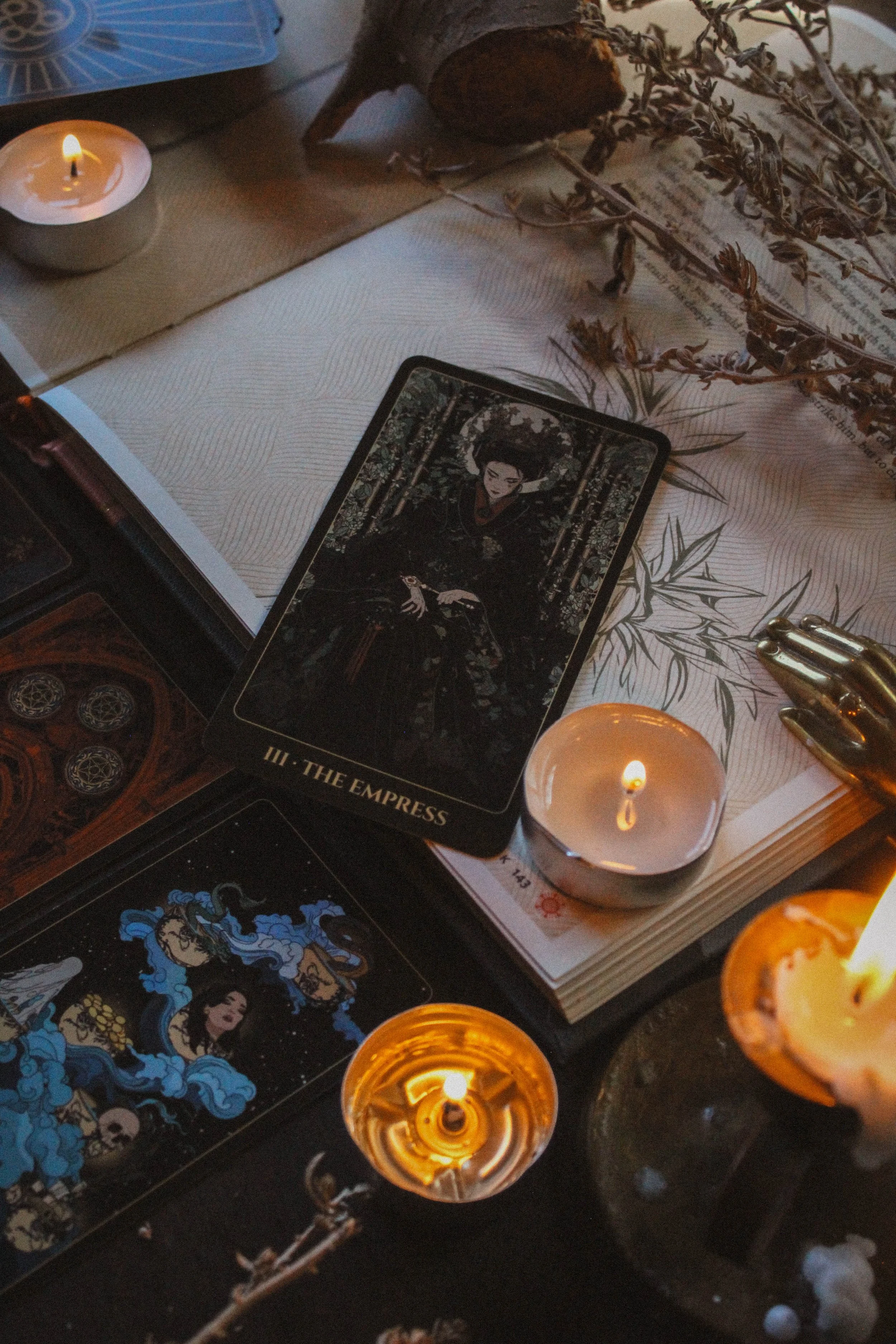
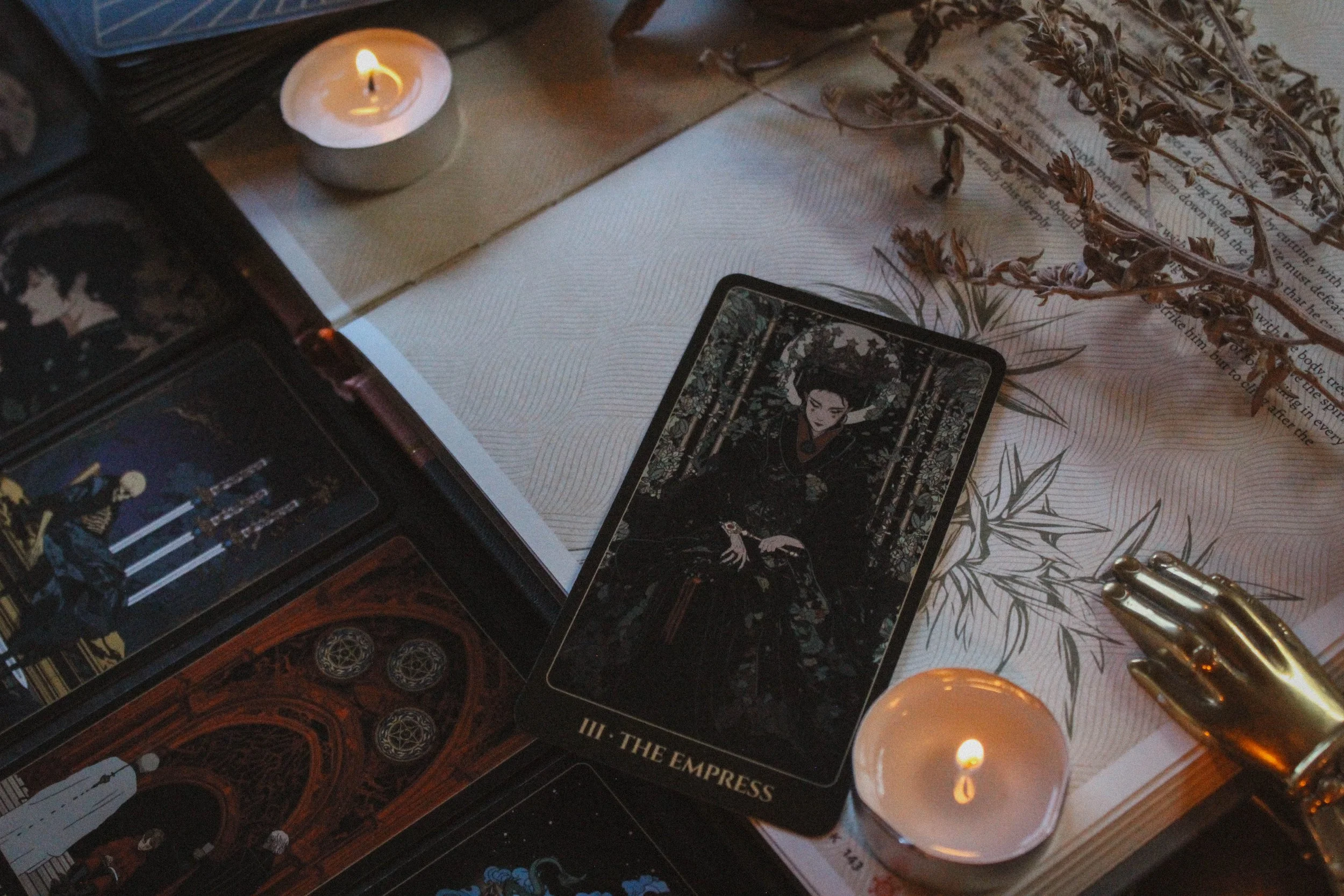
Ok, let’s talk about the artwork. First of all, I love the color palette. The backgrounds are very dark and moody with a black border. And the remaining colors are rich more so than saturated. They still feel just a bit muted and definitely moody. You see a lot of reds, blues, greens and purples and then pops of browns and blacks throughout.
My favorite card is the ace of pentacles. I feel like this is what you think of when you think of Japanese culture or at least certain parts of it. This feels like a zen garden with bamboo screens and silk robes. And the water in the background reminds me of Ukiyo-e style paintings which if you’re unfamiliar, you’ll know what I’m talking about if you look at The Great Wave off Kanagawa by Katsushika Hokusai which is incredibly famous and you’ll definitely know it.
“Accepting the mutability of things means living in the present moment completely, welcoming it in all its forms and meanings.”
All of the images feel peaceful. They really give off that whole zen vibe that is totally synonymous with Japanese culture. Even something like the four of swords which features a skeleton laid to rest has such a calming presence. The color choices and the organic shapes feel grounding and soothing.
I knew I loved the artwork when I first glanced at it but I find a new card that I love everyday. I keep wanting to add more to my favorites because I always find another that catches my eye every time I pick this deck up. This is the kind of deck I would wallpaper my house with.

My absolute favorite card
Reading With this Deck
Reading with this deck isn’t flashy or underwhelming. In fact, it's been a super solid daily deck to use. I like having this one nearby to pull from quickly and easily without feeling like I want to read the guidebook. I still really like to use guidebooks when they’re done especially well. I feel like if someone took the time to write out a really well thought out interpretation, then I should take the time to read it. I don’t get a whole lot out of this guidebook so it's perfect to keep in a place like my car or living room just to have it near me when I want to do a quick reading. It’s just a comforting deck to have around is what I’m saying. You don’t have to work too hard to like this one.
And I have found my readings are pretty well-balanced. I pull an equal amount of majors and minors from all four suits. Though it did tell me it sees itself as the Fool. I’m not really picking up on that energy but I guess we’ll see as time goes on. That’s thrown me a bit because it definitely feels more like the Hierophant or maybe the King of Pentacles. It feels very stable and established rather than new and prone to risk.
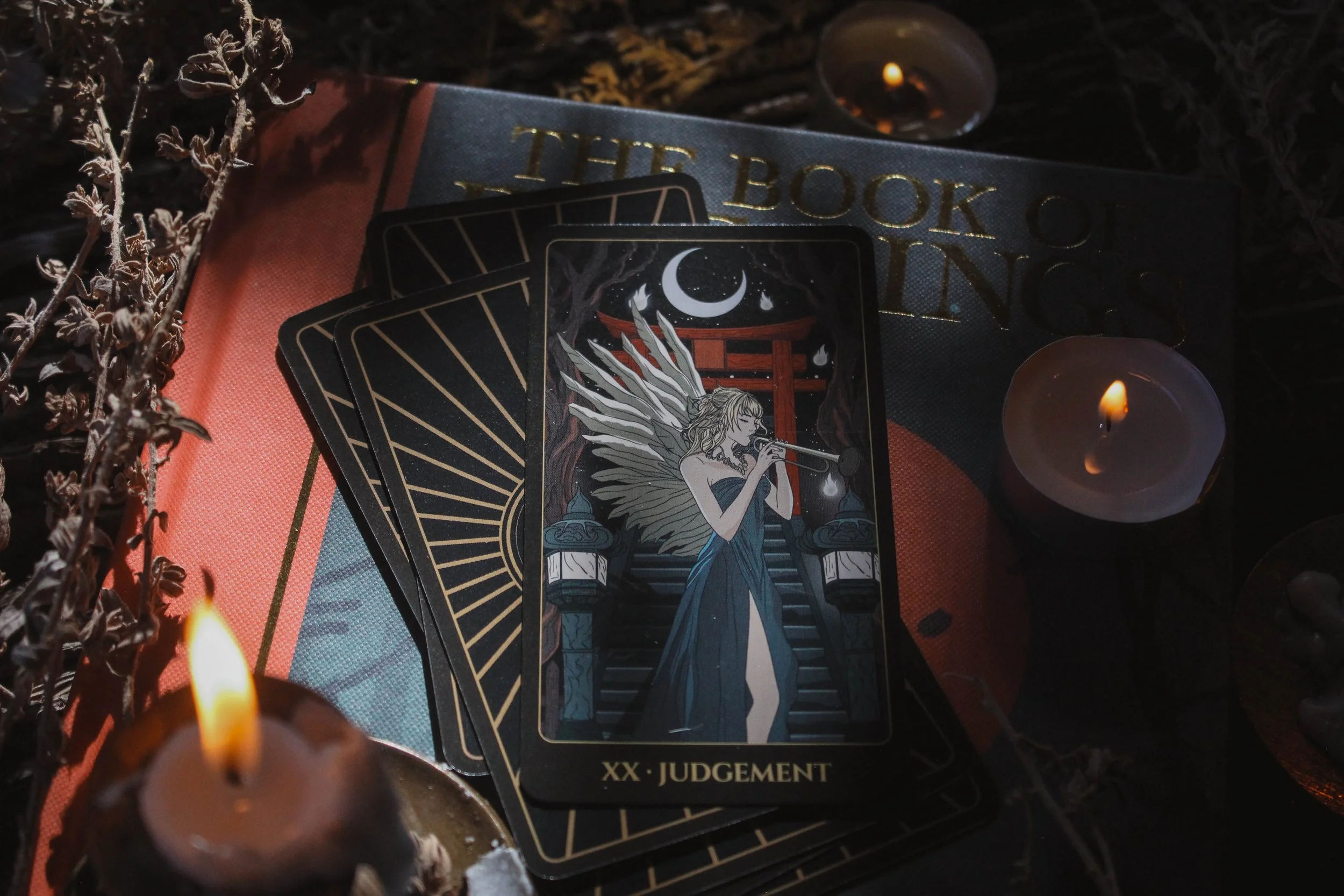
Collective Pull
Collective Pull
I pulled Judgment for you. This card is often portrayed as a spiritual entity calling you to a higher purpose. But really, this card is about you calling yourself to a higher expression. It invites you to reflect upon your choice, your fears, your desires and your goals to understand what is truly valuable to you moving forward. This is the moment when you get to decide who you want to be rather than leaving it up to chance. Will you continue to let your past be the only story you’ll tell or are you ready to write a new one?
We all have past experiences we’d so desperately like to forget. But the richness of this card is that your past doesn’t have to be the only way to see yourself. You can’t change what’s happened to you but you can make the best of it. You can examine it, reflect upon it, and use whatever silver linings you can find to fuel what comes next. And if nothing else, you can offer yourself closure. You can understand how your past has brought you to this point and then close the door on that journey to find completion and clarity.
What do you need to face right now? Not because you’re broken or fractured but because you need to send it on its way? To rise above it rather than feeling as though you have to stay stuck in this place.
Season, Sign, Element and Sabbat
I chose Autumn for the season because of the rich colors but particularly for the plant life in the artwork. It all reminds me of Japanese maple trees which are in very rich colors like burgundy, crimson and deep purples. The artwork is also quite dark but not lacking warmth which feels like an autumnal kind of vibe. I wanted to go with winter but in truth, that’s because I associate Japan with winter but that didn’t feel accurate. There’s still a lot of lushness just not in the way you would think of for spring or summer.
I went with air for the element because the deck feels light and soothing. It feels crisp and easygoing even though it also has a grounded nature about it. It reminds me of Tai Chi which I know is Chinese but what I mean is that there’s clearly a lot of control in this practice but also such an elegance and easy grace. That’s what this deck feels like. It moves freely but still has deep roots.
I went with Libra for this deck. I don’t choose air signs too often but I keep thinking of the word grace when I look at this deck and to me, grace is such a Libra thing. There’s beauty, there’s elegance and richness and flow and a beautiful artistic expression. It feels harmonic, that’s what it is. Everything feels like it’s perfectly balanced. Nothing feels like it's trying too hard or doing too little. It feels perfectly aligned.
And for the sabbat. This was a tricky one. I’m not really picking up a sabbat that feels right but I’m going to say Mabon just because it fits the other seasons. But I’m still on the fence about that. There’s a lot of warmth in this deck which does match Mabon’s energy but I can’t say I’m 100% convinced. What do you think? Is there a sabbat that Ukiyo Tarot reminds you of?
Who is this deck for?
This is a good deck if you’re looking for a calm experience that doesn’t offer a lot of spectacle. It’s ideal for a person who wants a tarot deck that doesn’t shout at them but settles into their space like a cup of hot tea they didn’t realize they needed.
If you’re someone who appreciates Japanese aesthetics — the moodiness, the restraint, the elegance, the quiet emotional depth — you’re going to feel instantly at home here. It’s also perfect for the reader who doesn’t need a guidebook to hold their hand every step of the way. The meanings are minimal, the packaging is simple, and yet the deck carries this grounded, peaceful presence that makes it a really easy daily reader. It’s simply here to be a steady, elegant companion — and sometimes, that’s exactly what you need.
Deck Companion
I pre-ordered the Yokai Oracle specifically for this tarot. I had no idea if they would go together but I wanted to use them both so I said why not. And while the styles are different—Yokai Oracle is much more playful—I do believe they make a solid pair. Stay tuned for my review on Yokai Oracle as well.
Thanks for reading. If you're ready to move beyond collecting decks and into actual seasonal practice - the kind that changes how you move through your days, not just how your altar looks - The Unfolding is where that work happens.
It's where I share the unglamorous, embodied truth about living seasonally: the rituals that actually shift something, the shadow work the Instagram posts don't mention, and the framework for building a life that feels like yours
Here, we focus on real emotions and not just poetic ones. We work with things like exhaustion, resentment, loneliness and the feeling of shrinking. We acknowledge our experience while taking steps to transform them into empowered emotions such as groundedness, having a sense of direction and real—not performative—gratitude.
And if there's a deck you'd like me to review, drop a comment or email me at hello@spiritelement.co.


With deck companion


The Empress